

Introduction
Selecting the right flooring system is a critical decision in industrial, commercial, and high-traffic construction projects. Two of the most widely used options are epoxy flooring and traditional concrete floors. While both serve as durable surfaces, they differ significantly in performance, durability, maintenance, and cost-efficiency. Understanding these differences is essential for facility managers, engineers, and business owners aiming to optimize safety, longevity, and operational efficiency.
This article provides an in-depth technical comparison between epoxy flooring and traditional concrete floors, exploring their advantages, limitations, applications, and best practices.
Understanding Traditional Concrete Floors
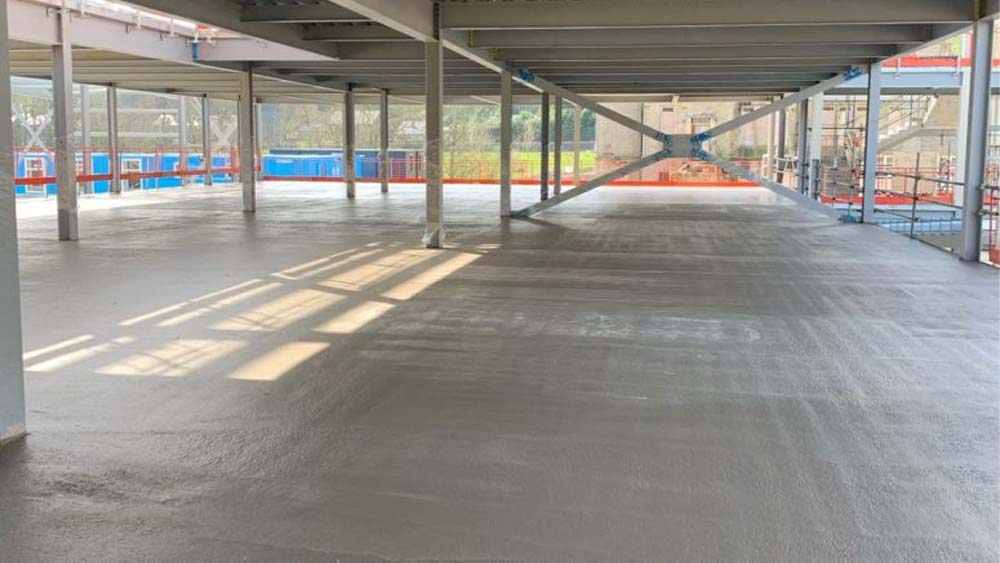
Traditional concrete floors are the foundation of industrial and commercial facilities. They are created by pouring a concrete mixture and allowing it to cure naturally.
Characteristics of Traditional Concrete
- Material Composition: Cement, aggregates, and water
- Durability: Strong and long-lasting when properly mixed and cured
- Surface Finish: Can be smooth, rough, or polished, depending on the finishing technique
- Maintenance: Requires regular cleaning and, in high-traffic areas, periodic sealing
Benefits of Traditional Concrete Floors
- Cost-Effective Initial Investment: Raw concrete slabs are generally cheaper to install than coated or specialized floors.
- High Compressive Strength: Excellent load-bearing capacity for heavy machinery, storage racks, and industrial vehicles.
- Versatile Applications: Suitable for warehouses, factories, parking areas, and commercial buildings.
- Low Environmental Impact: Concrete is sustainable, especially when polished without additional coatings.
Limitations of Traditional Concrete Floors
- Susceptible to Wear and Tear: Over time, uncoated concrete can develop cracks, dusting, and surface degradation.
- Moisture Penetration: Concrete is porous and can absorb moisture, leading to efflorescence, mold, or weakening of the slab.
- Chemical Vulnerability: Exposure to oils, acids, or industrial chemicals can cause staining or structural damage.
- Aesthetic Limitations: Plain concrete may lack the polished, professional look required in commercial spaces.
Understanding Epoxy Flooring
Epoxy flooring is a resin-based coating applied over concrete, forming a hard, protective, and visually appealing surface. It is widely used in industrial, commercial, and even residential settings for its durability and versatility.
Characteristics of Epoxy Flooring
- Material Composition: Epoxy resin and hardener
- Durability: Highly resistant to abrasion, chemical spills, and impact
- Surface Finish: Glossy, seamless, and customizable in colors or patterns
- Maintenance: Easy to clean; resistant to dust and stains
Benefits of Epoxy Flooring
- Chemical Resistance: Epoxy coatings protect floors from acids, alkalis, oils, and other industrial chemicals.
- High Abrasion Resistance: Ideal for heavy-traffic areas with machinery, forklifts, or pallet movement.
- Seamless and Hygienic: Smooth, seamless surfaces prevent dirt accumulation, making it ideal for food processing or cleanroom environments.
- Aesthetic Appeal: Available in a wide range of colors, textures, and finishes to enhance facility appearance.
- Extended Lifespan: Epoxy coatings can extend the life of concrete floors by reducing surface wear.
Limitations of Epoxy Flooring
- Initial Cost: Epoxy installation is more expensive than plain concrete due to material and labor costs.
- Surface Preparation Required: Concrete must be properly cleaned, leveled, and dried for effective adhesion.
- Potential for Slippage: Glossy epoxy surfaces can be slippery if anti-slip additives are not included.
- UV Sensitivity: Some epoxy coatings may yellow or degrade under prolonged sunlight exposure, limiting outdoor use.
Technical Comparison: Epoxy vs Traditional Concrete
| Feature | Traditional Concrete | Epoxy Flooring |
|---|---|---|
| Durability | High compressive strength, moderate surface wear | High abrasion resistance, chemically resistant |
| Maintenance | Requires sealing and periodic cleaning | Low-maintenance, easy to clean, dust-free |
| Aesthetics | Limited; plain or polished concrete only | Wide range of colors, textures, and finishes |
| Chemical Resistance | Poor; absorbs oils, acids, and spills | Excellent; resists most chemicals and stains |
| Installation Time | Fast; simple pour and curing | Requires surface preparation + coating application |
| Cost | Lower upfront cost | Higher upfront cost, but long-term savings |
| Safety | Can develop cracks and uneven surfaces | Can incorporate anti-slip additives and seamless finish |
| Lifespan | 20–30 years with maintenance | 25–40 years depending on traffic and coating quality |
Applications in Industrial and Commercial Settings
Traditional Concrete Floors
- Warehouses with moderate machinery loads
- Outdoor storage areas and parking lots
- Factory floors with low chemical exposure
- Budget-conscious projects where aesthetics are secondary
Epoxy Flooring
- Food and beverage processing facilities
- Pharmaceutical and healthcare industries
- Chemical plants and laboratories
- High-traffic warehouses and industrial plants
- Showrooms or commercial spaces requiring a professional appearance
Installation Considerations
Traditional Concrete Floors
- Requires standard formwork, pouring, and curing
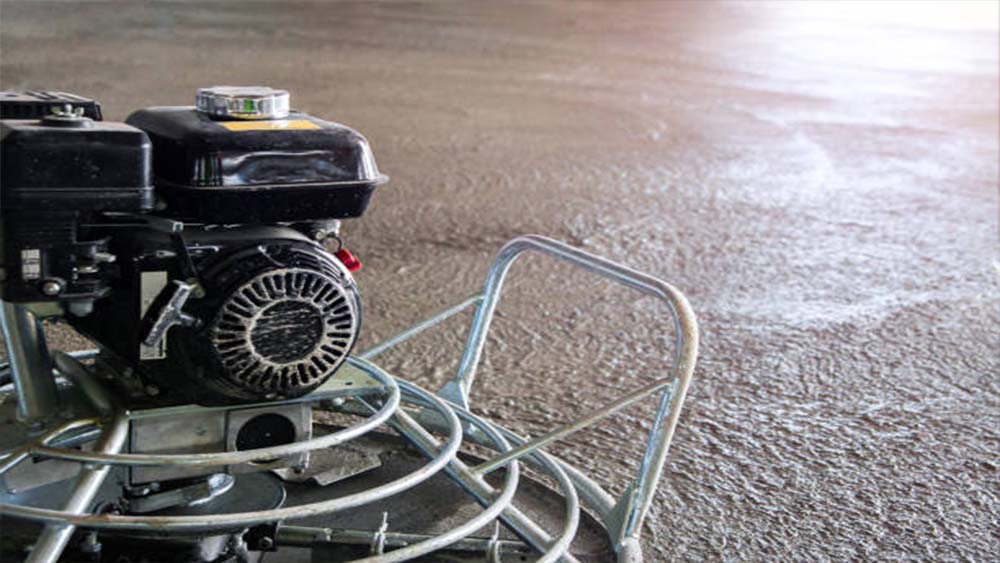
- May benefit from troweling or polishing for improved smoothness
- Can be sealed for additional protection
Epoxy Flooring
- Surface must be prepared meticulously: cleaned, leveled, and free of moisture
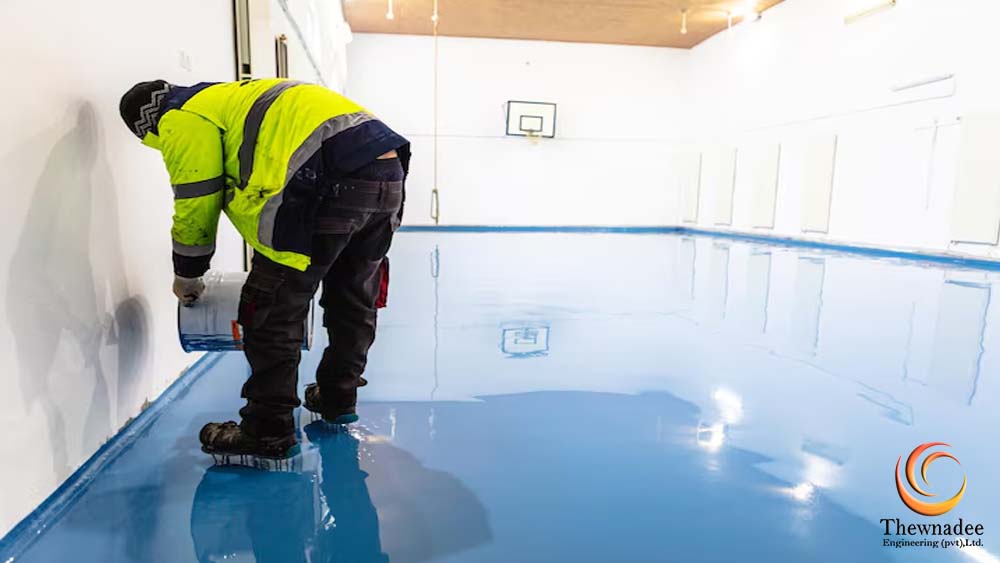
- Primer and epoxy resin layers applied sequentially
- Optional decorative chips, color patterns, or anti-slip textures
- Requires professional installation for optimal adhesion and longevity
Professional installation ensures seamless, durable, and high-performance floors, especially in industrial contexts where performance and safety are critical.
Maintenance and Longevity
Traditional Concrete Floors
- Clean regularly to remove dust and debris
- Re-seal surfaces periodically to prevent wear and chemical damage
- Repair cracks promptly to avoid long-term deterioration
Epoxy Flooring
- Sweep or mop regularly
- Clean spills immediately
- Reapply top coatings as needed, typically every 5–10 years depending on traffic
- Minor scratches or damages can often be repaired locally without replacing the entire floor
Cost Considerations
While traditional concrete has a lower initial cost, the long-term benefits of epoxy often justify the higher upfront investment. Considerations include:
- Reduced maintenance costs due to durability
- Enhanced safety and reduced workplace incidents
- Extended lifespan of the flooring surface
- Improved aesthetic and professional appeal, impacting client and employee perception
In industrial and high-traffic commercial environments, the long-term ROI of epoxy flooring often exceeds that of traditional concrete.
Conclusion
Both traditional concrete and epoxy flooring have their place in industrial construction. Concrete floors provide a cost-effective, strong foundation, while epoxy floors enhance durability, chemical resistance, aesthetics, and hygiene.
For factories, warehouses, and industrial facilities, selecting the right system requires:
- Assessing operational requirements and load conditions
- Evaluating chemical exposure and environmental factors
- Considering maintenance, safety, and aesthetics
- Consulting professional flooring experts for design, installation, and long-term performance
Partnering with a professional company like Thewnadee Engineering (Pvt) Ltd ensures that your floors are engineered for safety, efficiency, and durability, delivering a reliable foundation for your industrial operations.