

Introduction
Industrial and commercial floors are subjected to extreme stress, including heavy machinery, forklift traffic, chemical exposure, and environmental challenges. Despite using high-quality materials, poorly executed installation, insufficient design, or lack of proper maintenance can lead to flooring failures. These failures not only impact the durability and safety of the facility but can also result in costly repairs, operational downtime, and potential hazards for employees.
This article explores the most common flooring failures in industrial and commercial environments, their causes, and how professional engineering and expert flooring services prevent these issues, ensuring long-lasting, safe, and efficient floors.
Understanding Flooring Failures
Flooring failures occur when the surface or structure of the floor cannot withstand operational loads, environmental conditions, or chemical exposure. Common failures may present as:
- Cracks and spalling
- Uneven surfaces
- Surface dusting and scaling
- Chemical damage or staining
- Moisture-related deterioration
Professional floor engineering addresses these issues by combining material selection, design optimization, installation precision, and post-installation maintenance.
Common Flooring Failures
1. Cracks in Concrete Floors
Description: Cracks can appear as hairline, structural, or settlement cracks, often compromising both aesthetics and functionality.
Causes:
- Improper concrete mix
- Rapid drying or insufficient curing
- Excessive loads or settlement
- Poor substrate preparation
Prevention:
- Using a properly designed concrete mix suitable for load and environmental conditions
- Implementing controlled curing methods to prevent rapid drying
- Ensuring adequate substrate preparation before pouring
- Applying expansion joints and proper reinforcement
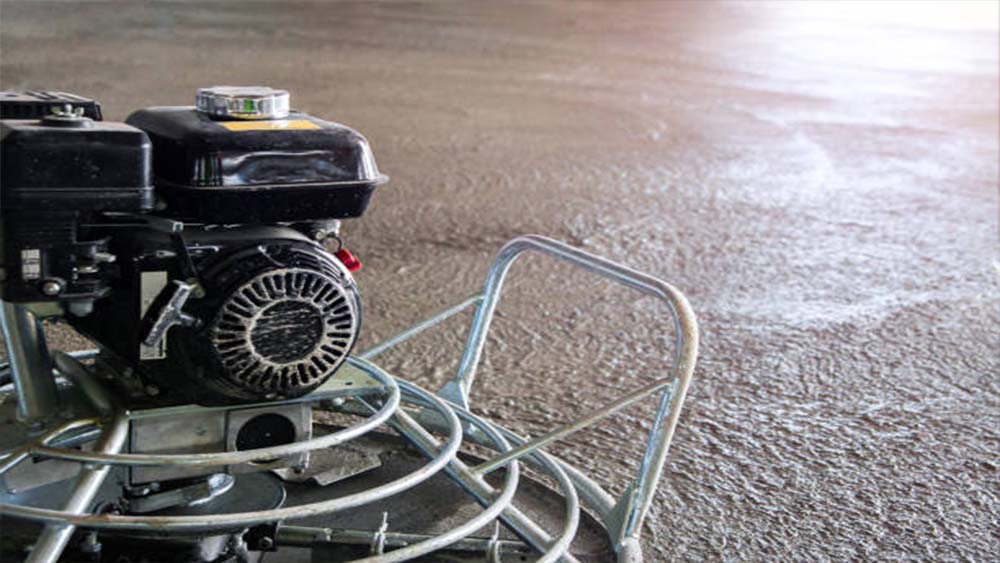
Professional contractors, such as Thewnadee Engineering, use power troweling and chemical hardeners to minimize cracking and enhance surface strength.
2. Spalling and Surface Scaling
Description: Spalling occurs when the surface layer of concrete flakes or peels, exposing coarse aggregates underneath.
Causes:
- Freeze-thaw cycles or temperature fluctuations
- Poor finishing or over-troweling
- Low-quality concrete mix or insufficient curing
Prevention:
- Proper surface finishing techniques with controlled troweling
- Use of high-quality, dense concrete with chemical additives for durability
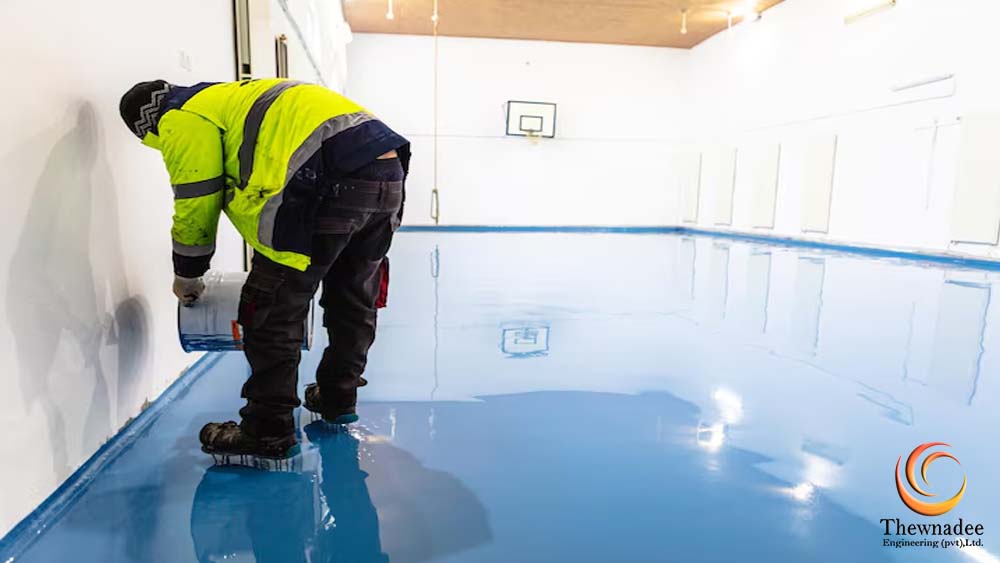
- Timely curing and protective coatings such as epoxy or sealants
Spalling not only diminishes floor longevity but also poses slip hazards, emphasizing the need for professional execution.
3. Uneven or Wavy Surfaces
Description: Uneven floors can affect machinery operation, forklift movement, and drainage, creating operational inefficiencies.
Causes:
- Poor leveling or screeding during concrete placement
- Settlement of underlying soil or substrate
- Uneven curing or moisture gradients
Prevention:
- Laser-guided leveling systems for precise surface preparation
- Correct substrate compaction and soil stabilization
- Professional monitoring of curing processes to maintain uniformity
Professional engineers ensure flat, level surfaces that meet industrial tolerances for machinery, pallet racks, and high-traffic areas.
4. Surface Dusting
Description: Dusting occurs when the top layer of concrete deteriorates, producing fine dust particles.
Causes:
- Over-troweling or finishing while concrete is too wet
- Poor quality mix or high water-cement ratio
- Inadequate curing and sealing
Prevention:
- Applying chemical hardeners and sealers
- Using proper troweling techniques at the right stage of setting
- Selecting concrete mixes with appropriate strength and durability for the application
Dust-free floors are critical in industrial settings to maintain machinery efficiency and workplace cleanliness.
5. Chemical Damage and Staining
Description: Industrial chemicals, oils, acids, and alkalis can degrade or stain flooring surfaces, compromising both aesthetics and structural integrity.
Causes:
- Direct contact with chemical spills
- Porous flooring without protective coatings
- Lack of anti-corrosion or chemical-resistant treatment
Prevention:
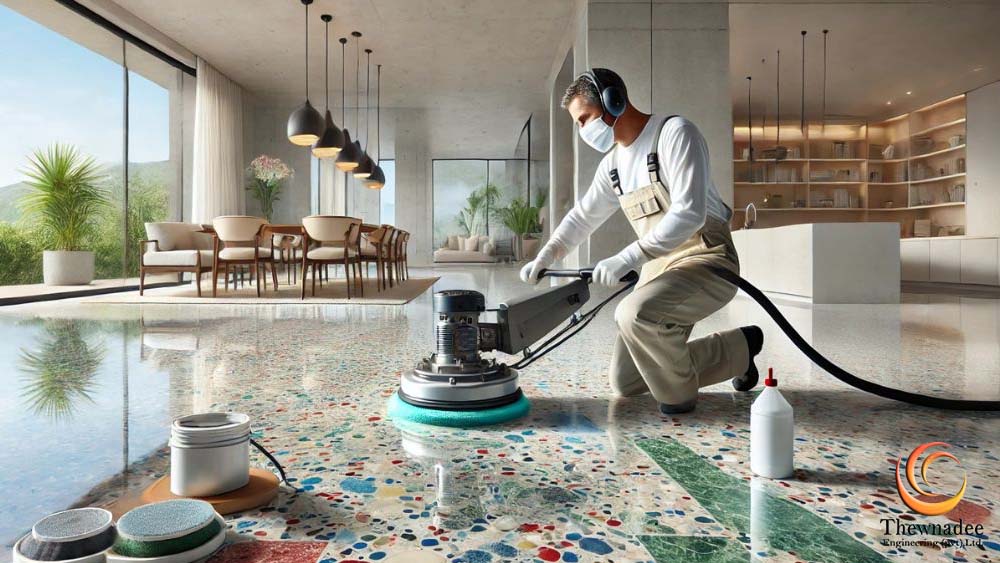
- Using epoxy coatings, chemical-resistant sealants, or terrazzo finishes
- Implementing immediate spill management procedures
- Selecting materials based on specific chemical exposure
Professional flooring engineers assess operational chemicals and recommend suitable protective systems to prevent long-term damage.
6. Moisture-Related Deterioration
Description: Moisture infiltration can lead to efflorescence, warping, mold growth, and weakening of concrete.
Causes:
- High groundwater or humidity levels
- Poor waterproofing or drainage
- Lack of vapor barriers under concrete slabs
Prevention:
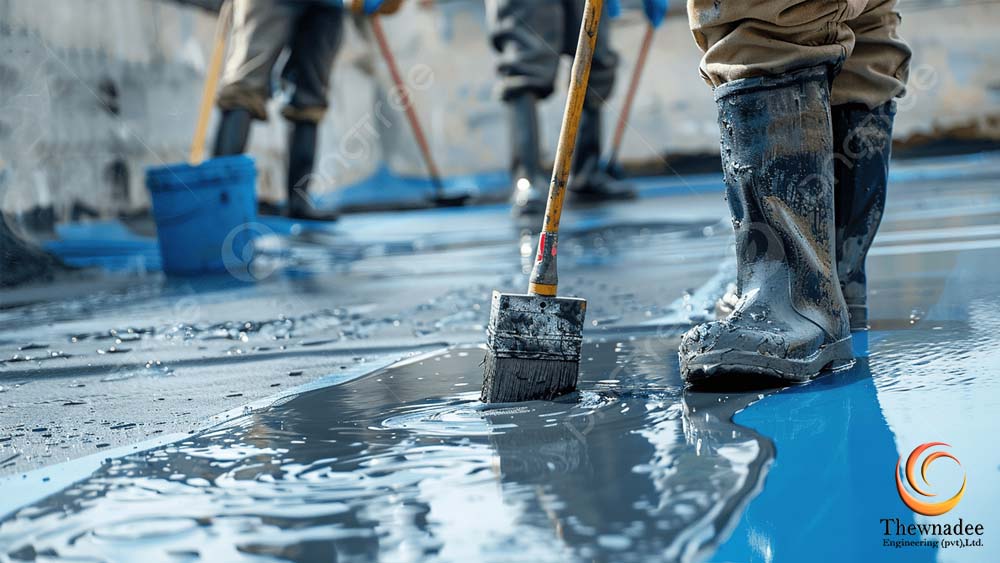
- Applying waterproofing membranes and moisture barriers
- Ensuring proper drainage and slope design
- Using moisture-tolerant flooring systems like epoxy or treated concrete
Managing moisture is essential to prevent structural issues, floor degradation, and workplace hazards.
Role of Professional Engineering in Preventing Flooring Failures
1. Material Selection
Professional engineers select appropriate concrete mixes, coatings, and additives tailored to the facility’s operational load, environmental exposure, and chemical conditions.
2. Precision Installation
- Power troweling ensures uniform compaction and smooth surfaces
- Laser-guided leveling prevents uneven floors
- Controlled curing enhances surface strength and durability
3. Customized Solutions
Industrial facilities have unique requirements. Professionals assess each project and implement custom solutions:
- Expansion joints for large slabs
- Anti-slip textures in wet areas
- Chemical-resistant coatings where required
4. Quality Assurance and Inspection
- Regular inspection during installation ensures adherence to design specifications
- Non-destructive testing techniques verify floor strength and integrity
- Professional oversight prevents common errors that lead to long-term failures
5. Post-Installation Maintenance
Even the best-installed floors benefit from preventive maintenance programs, including:
- Periodic inspections for cracks, spalling, or surface wear
- Reapplication of sealers or protective coatings
- Cleaning and moisture management
Case Example: Industrial Warehouse
An industrial warehouse handling heavy forklifts and pallet racks experienced frequent cracking and surface dusting on poorly installed concrete floors. After consulting a professional flooring engineering company, the solution involved:
- Laser-leveled power troweled concrete for uniform surfaces
- Chemical hardeners and epoxy sealant to prevent dusting and chemical damage
- Regular maintenance schedule for inspections and cleaning
The result: durable, level, dust-free floors capable of withstanding heavy industrial loads for decades.
Conclusion
Flooring failures in industrial and commercial environments can lead to operational inefficiencies, safety hazards, and costly repairs. The most common failures—cracks, spalling, uneven surfaces, dusting, chemical damage, and moisture-related deterioration—can be prevented through professional engineering, expert installation, and proper maintenance.
By engaging experienced flooring professionals like Thewnadee Engineering (Pvt) Ltd, businesses ensure that:
- Materials are optimized for durability and chemical resistance
- Surfaces are precisely installed, leveled, and finished
- Preventive strategies and maintenance programs are in place
Investing in professional flooring engineering is not just a matter of quality—it is a strategic decision to protect assets, ensure safety, and maintain operational efficiency over the long term.