


Introduction
In industrial construction, selecting the appropriate flooring system for factories and warehouses is a critical decision that impacts durability, safety, operational efficiency, and long-term costs. Industrial floors endure heavy machinery, forklifts, high foot traffic, chemical exposure, and environmental stress, making them fundamentally different from residential or commercial flooring solutions.
Choosing the right flooring system requires a balance of technical performance, maintenance considerations, safety, and cost-effectiveness. This article explores the various flooring options for industrial environments, factors to consider when selecting a system, and best practices to ensure optimal performance and longevity.
Why Flooring Choice Matters in Industrial Facilities
The floor is more than a surface—it serves as a structural component, safety measure, and operational platform. Poorly chosen floors can lead to:
- Increased maintenance costs due to wear and tear
- Operational downtime caused by surface defects
- Safety hazards from uneven, slippery, or cracked surfaces
- Reduced efficiency in material handling and logistics
By contrast, a properly selected flooring system enhances durability, worker safety, operational efficiency, and aesthetics, while reducing long-term repair and replacement costs.
Key Factors in Choosing Industrial Flooring
When selecting a flooring system for factories and warehouses, consider the following critical factors:
1. Load-Bearing Requirements
Industrial floors must withstand static and dynamic loads, including heavy machinery, pallet racks, forklifts, and high-traffic areas. Floors that are inadequately designed for load-bearing can crack or deteriorate prematurely, causing operational disruptions.
2. Environmental Exposure
Consider environmental factors such as:
- Chemical exposure from industrial processes
- Moisture or water penetration
- Temperature fluctuations
- UV exposure for outdoor areas
Certain flooring systems, such as epoxy or chemical-resistant coatings, provide superior protection against these challenges.
3. Durability and Abrasion Resistance
High-traffic areas require floors that resist abrasion, impact, and wear. Durable materials ensure that flooring remains intact and functional over the long term, minimizing maintenance and downtime.
4. Maintenance Requirements
Some flooring systems are low-maintenance, while others require regular polishing, coating, or repairs. Factories and warehouses benefit from low-maintenance options that maintain performance without frequent interruptions to operations.
5. Safety and Anti-Slip Properties
Worker safety is paramount in industrial environments. Flooring must incorporate anti-slip surfaces, proper drainage, and seamless designs to prevent accidents and injuries.
6. Budget Considerations
While initial cost is important, long-term performance, maintenance, and replacement costs should be the primary consideration. A higher initial investment in a durable flooring system often results in significant cost savings over the facility’s lifespan.
Common Flooring Systems for Factories and Warehouses
Industrial flooring options vary in materials, installation methods, and performance characteristics. Here are the most commonly used systems:
1. Polished Concrete
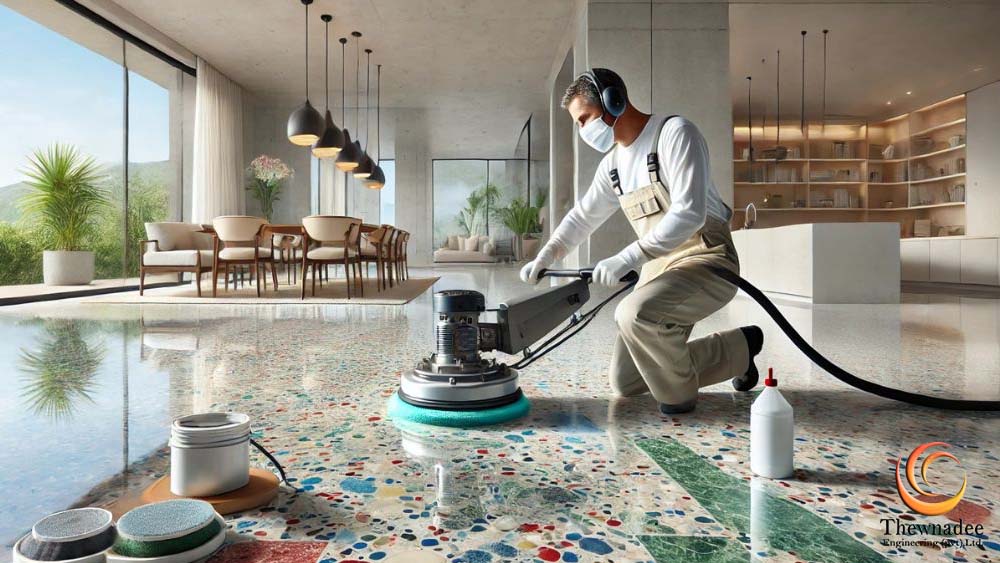
Overview: Polished concrete involves grinding and polishing the concrete slab to create a smooth, reflective surface.
Benefits:
- Extremely durable and long-lasting
- Low maintenance and easy to clean
- Resistant to heavy machinery wear and abrasion
- Environmentally friendly, as it uses the existing slab
Ideal Applications:
Warehouses, distribution centers, and manufacturing plants where heavy equipment movement and high foot traffic are common.
2. Epoxy Flooring
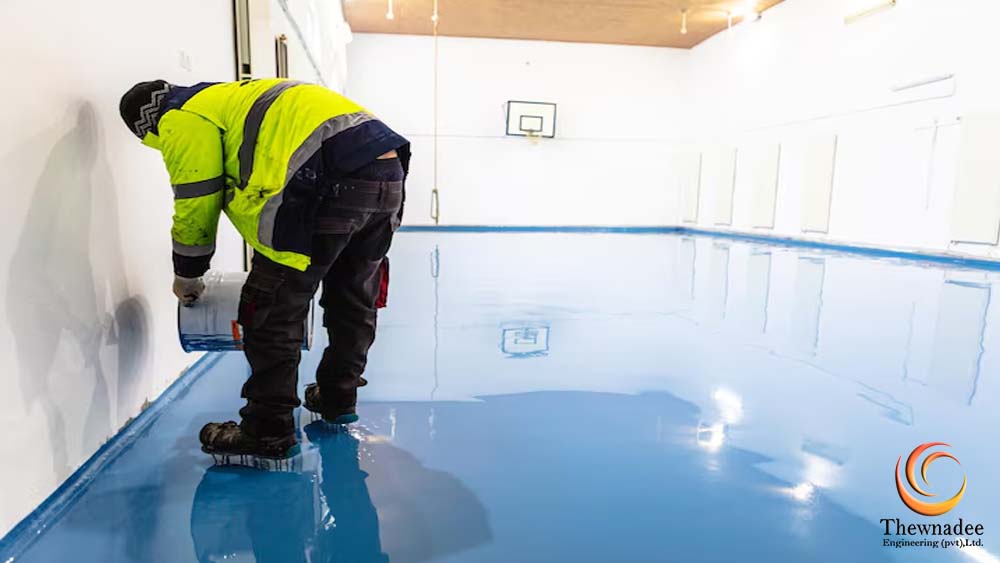
Overview: Epoxy flooring consists of a resin-based coating applied over concrete, creating a hard, chemical-resistant surface.
Benefits:
- Resistant to chemicals, spills, and abrasion
- Provides a smooth, uniform surface
- Can be customized with colors, textures, and anti-slip additives
- Seamless installation reduces contamination and dust
Ideal Applications:
Food processing facilities, chemical plants, factories with oil or chemical exposure, and heavy machinery zones.
3. Terrazzo Flooring
Overview: Terrazzo is a composite material made of chips of marble, quartz, granite, or glass set in cement or epoxy binder.
Benefits:
- Highly durable and long-lasting
- Decorative and professional appearance
- Low maintenance
- Can withstand heavy foot traffic and moderate machinery loads
Ideal Applications:
Commercial showrooms, office-connected warehouses, or spaces where aesthetics and durability are equally important.
4. Vinyl or Rubber Flooring
Overview: Industrial-grade vinyl or rubber floors offer flexibility, impact absorption, and comfort underfoot.
Benefits:
- Shock-absorbent, reducing worker fatigue
- Chemical and moisture resistant
- Quick to install and replace sections if damaged
Ideal Applications:
Workstations, light manufacturing areas, laboratories, or areas requiring ergonomic considerations.
5. Concrete Overlays and Coatings
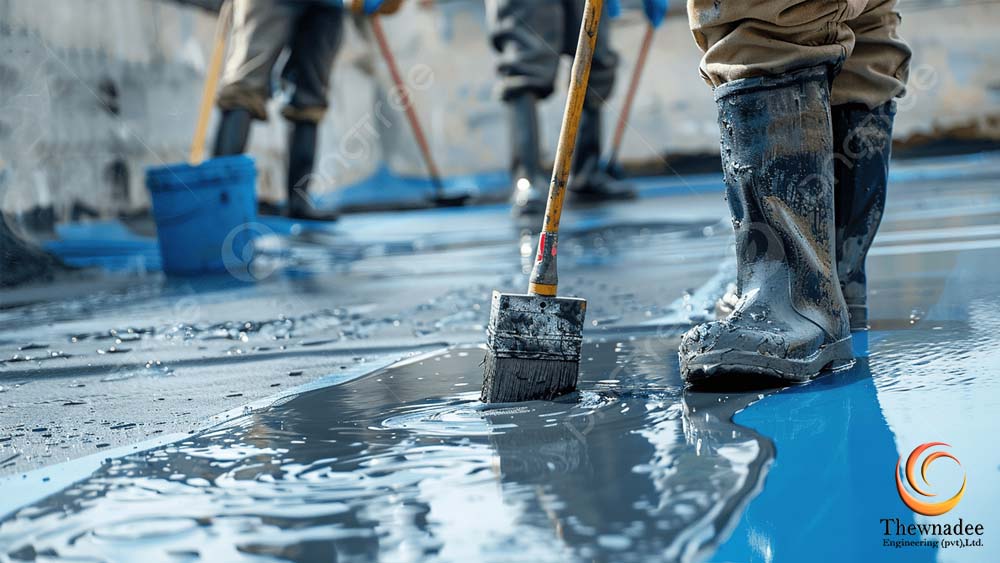
Overview: Overlays and coatings enhance the existing concrete slab with a protective or decorative layer.
Benefits:
- Can correct minor surface imperfections
- Adds chemical or abrasion resistance
- Can be applied in sections without major downtime
Ideal Applications:
Retrofit projects, industrial upgrades, or areas requiring specialized protection against chemicals or mechanical wear.
Technical Considerations for Installation
Selecting the flooring system is only part of the process. Proper installation is critical for performance:
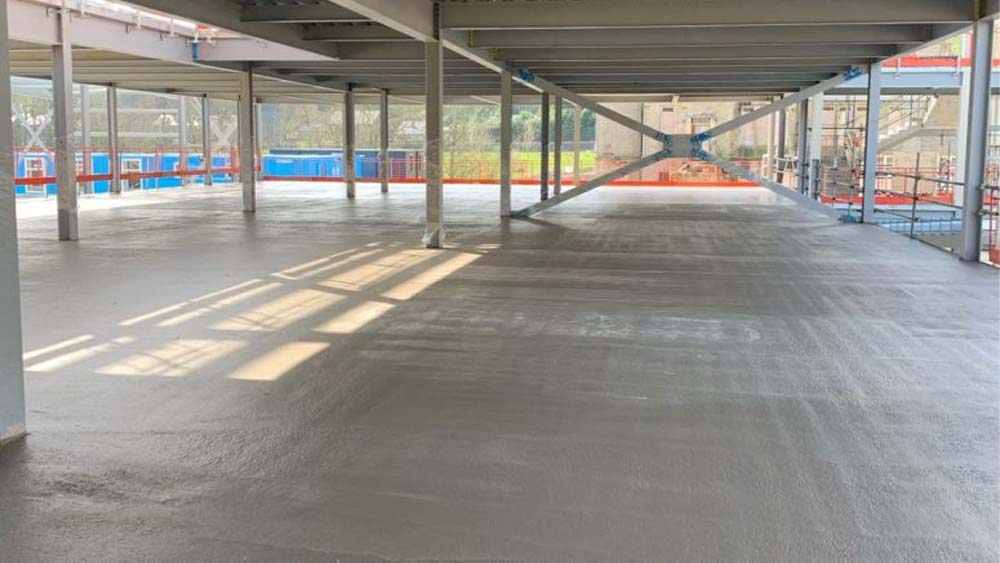
- Surface Preparation: Concrete must be properly leveled, cleaned, and moisture-tested before installation.
- Professional Finishing: Techniques like power troweling, polishing, or coating application must be executed by skilled professionals.
- Curing and Drying: Floors must cure adequately to achieve maximum strength and durability.
- Quality Control: Regular inspection ensures no cracks, unevenness, or defects compromise long-term performance.
Engaging a professional flooring company ensures that these technical aspects are handled correctly, providing a floor that lasts for decades.
Case Example: High-Capacity Warehouse Flooring
Consider a large logistics warehouse handling heavy pallet racks and forklifts. Selecting polished concrete for its load-bearing capacity and durability ensures:
- Smooth movement of forklifts without uneven surfaces
- Reduced wear on both floors and machinery
- Minimal maintenance interruptions over the facility’s lifespan
Supplementing the floor with epoxy coatings in areas exposed to spills provides chemical resistance, further enhancing longevity and operational efficiency.
Maintenance Best Practices
Even high-performance industrial floors require regular maintenance:
- Routine Cleaning: Remove dust, debris, and chemical residues
- Surface Inspection: Identify and repair minor cracks or abrasions promptly
- Protective Coatings: Reapply epoxy or sealant as recommended
- Load Management: Avoid overloading sections beyond design limits
Proper maintenance ensures that the flooring system continues to provide durability, safety, and aesthetic value.
Why Professional Consultation Matters
Professional flooring companies, like Thewnadee Engineering (Pvt) Ltd, provide:
- Detailed site assessments to recommend the most suitable flooring system
- Expertise in installation, finishing, and curing techniques
- Customized solutions tailored to operational requirements, chemical exposure, and load conditions
- Ongoing technical support and maintenance guidance
This professional approach ensures optimal performance, safety, and cost-effectiveness over the life of the facility.
Conclusion
Choosing the right flooring system for factories and warehouses is a strategic decision that affects operational efficiency, safety, and long-term costs. Industrial floors must withstand heavy loads, high traffic, chemical exposure, and environmental stresses, making professional guidance essential.
From polished concrete and epoxy coatings to terrazzo and industrial rubber floors, each system has its strengths and applications. Selecting the appropriate system based on project requirements, maintenance expectations, and budget considerations ensures a durable, safe, and functional industrial floor.
Partnering with experienced flooring professionals, such as Thewnadee Engineering (Pvt) Ltd, guarantees that your floors are designed, installed, and finished to the highest industrial standards, delivering long-term value, safety, and operational excellence.