

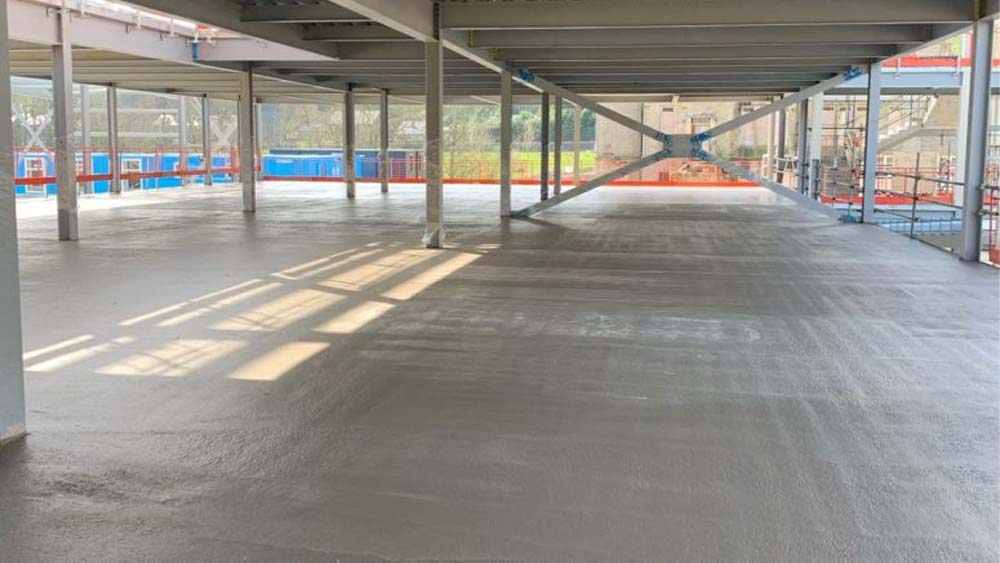
Introduction
Concrete floors form the foundation of many industrial, commercial, and high-traffic spaces. While durable by nature, concrete surfaces are susceptible to wear, unevenness, and aesthetic deterioration if not properly finished. Two critical processes—concrete polishing and concrete cutting—play a pivotal role in achieving smooth, durable, and safe flooring for industrial facilities, warehouses, factories, and commercial complexes.
This article explores the technical processes, best practices, equipment, and benefits of concrete polishing and cutting. It emphasizes why professional intervention is essential for long-lasting, functional, and aesthetically pleasing floors.
Understanding Concrete Polishing
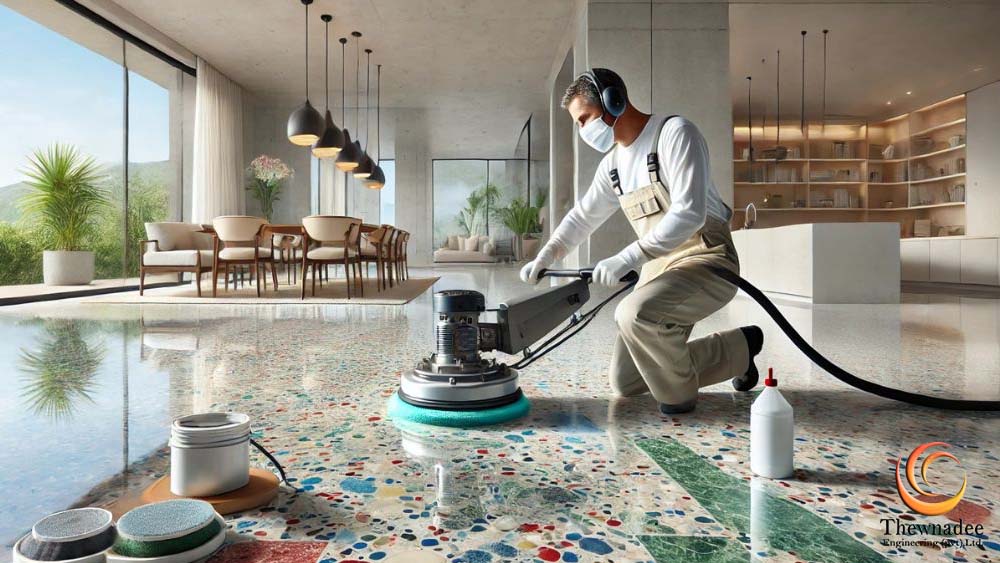
Concrete polishing is a mechanical process that smooths and enhances the surface of a concrete slab. It involves progressive grinding using diamond abrasives to create a dense, reflective, and durable finish. Polished concrete is increasingly popular due to its low maintenance, long lifespan, and professional appearance.
Key Stages of Concrete Polishing
- Initial Grinding
- Uses coarse diamond pads to remove surface imperfections and prepare the slab.
- Eliminates minor cracks, bumps, and unevenness.
- Intermediate Grinding
- Employs medium-grit pads to smooth the surface further.
- Prepares the slab for final polishing and densification.
- Densification
- Chemical hardeners are applied to fill pores, increasing surface strength.
- Reduces dusting and improves resistance to abrasion.
- Final Polishing
- Fine diamond pads achieve a smooth, reflective finish.
- Optional coatings or sealants enhance aesthetics and chemical resistance.
Benefits of Polished Concrete
- Durability: Resists heavy traffic, forklifts, and machinery.
- Low Maintenance: Easy to clean; dust and debris do not accumulate.
- Aesthetic Appeal: High-gloss, uniform surface suitable for commercial and industrial spaces.
- Cost-Effective: Long-lasting finish reduces the need for repairs or replacements.
Understanding Concrete Cutting
Concrete cutting is a precision process used to create controlled openings, expansion joints, and surface modifications in concrete slabs. It ensures that concrete floors perform optimally under structural and operational loads.
Types of Concrete Cutting
- Groove Cutting
- Creates expansion joints that prevent uncontrolled cracking due to thermal expansion and contraction.
- Essential in large industrial slabs to maintain structural integrity.
- Concrete Sawing
- Diamond-tipped saw blades provide precise cuts for openings, doorways, or utility installations.
- Minimizes damage to surrounding concrete.
- Polishing-Related Cutting
- Prepares surface sections for uniform polishing or repair work.
- Ensures smooth transitions between slabs or coating sections.
Benefits of Concrete Cutting
- Controlled Cracking: Reduces random cracking, which can compromise safety and aesthetics.
- Precision Installations: Facilitates installation of machinery, drains, or other infrastructure.
- Structural Integrity: Maintains the durability of large slabs by managing stress distribution.
- Safety: Smooth, cut surfaces prevent tripping hazards and improve floor usability.
Best Practices for Concrete Polishing
1. Surface Preparation
- Ensure the slab is fully cured, clean, and free of debris.
- Repair any cracks or surface imperfections before polishing.
- Assess moisture levels to avoid adhesion or densification issues.
2. Use of Professional Equipment
- Employ industrial-grade diamond grinding machines for consistent results.
- Use progressively finer diamond pads for a high-quality finish.
- Apply chemical densifiers evenly to increase surface hardness.
3. Controlled Polishing Sequence
- Follow a systematic approach: coarse → medium → fine → densifier → final polish.
- Monitor floor condition during each pass to prevent over-grinding.
4. Protective Coatings
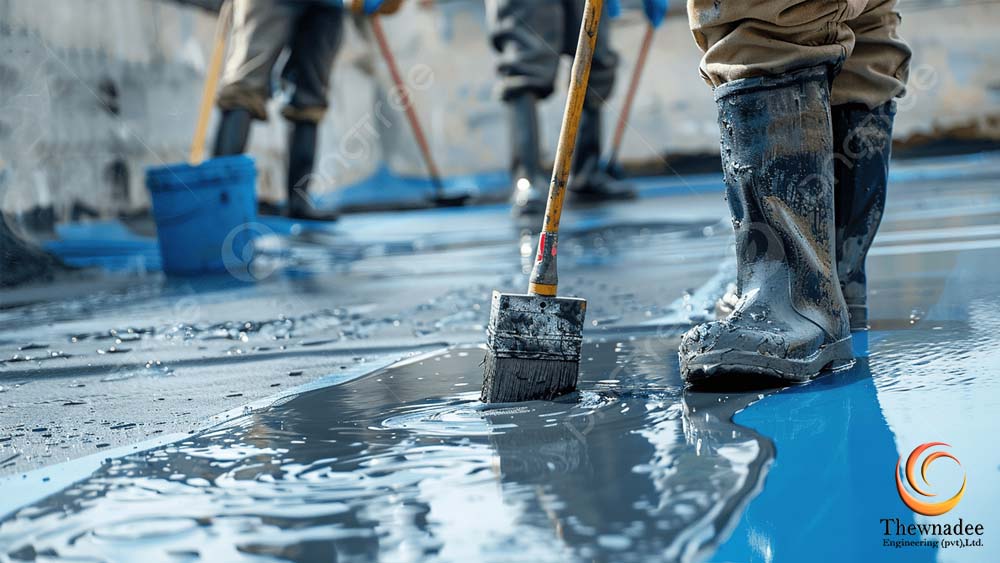
- Apply sealants or epoxy coatings where chemical resistance or high traffic is expected.
- Enhances lifespan, appearance, and ease of maintenance.
5. Regular Maintenance
- Dust mop or sweep daily to prevent scratches.
- Wet mop or neutral cleaner for deeper cleaning without damaging the surface.
- Periodically inspect for minor cracks or wear and address promptly.
Best Practices for Concrete Cutting
1. Planning and Layout
- Determine locations for expansion joints, utility cutouts, and repair areas.
- Use precise measurements and markings to avoid errors.
2. Equipment Selection
- Diamond-tipped saw blades for precision and durability.
- Walk-behind or ride-on saws for large slabs.
- Ensure machines are calibrated for depth, speed, and alignment.
3. Cutting Techniques
- Use wet cutting to reduce dust and prevent overheating of blades.
- Maintain a consistent cutting speed to prevent chipping.
- For groove cutting, ensure proper depth to control stress distribution.
4. Safety Measures
- Use PPE: safety glasses, gloves, ear protection, and respirators.
- Ensure proper ventilation during wet or dry cutting.
- Maintain clear site boundaries to protect personnel and machinery.
Advantages of Professional Polishing & Cutting
- Enhanced Durability: Polishing densifies concrete and cutting prevents uncontrolled cracking.
- Precision Finishing: Smooth, level, and aesthetically consistent surfaces.
- Safety Compliance: Reduces tripping hazards and ensures structural stability.
- Operational Efficiency: Properly finished floors support machinery, forklifts, and heavy loads.
- Cost Savings: Minimizes future repairs, maintenance, and downtime.
Industrial Applications
- Warehouses: Smooth, polished surfaces reduce forklift wear and improve movement efficiency.
- Factories: Grooved slabs prevent uncontrolled cracks and maintain machinery alignment.
- Commercial Facilities: Polished floors provide a professional, dust-free environment for showrooms and offices.
- Parking Areas: Polished concrete and groove cutting enhance durability and drainage.
Case Example: Manufacturing Facility
A manufacturing facility in Sri Lanka required durable, smooth, and chemically resistant flooring for its production area. The professional flooring solution involved:
- Surface preparation and crack repair
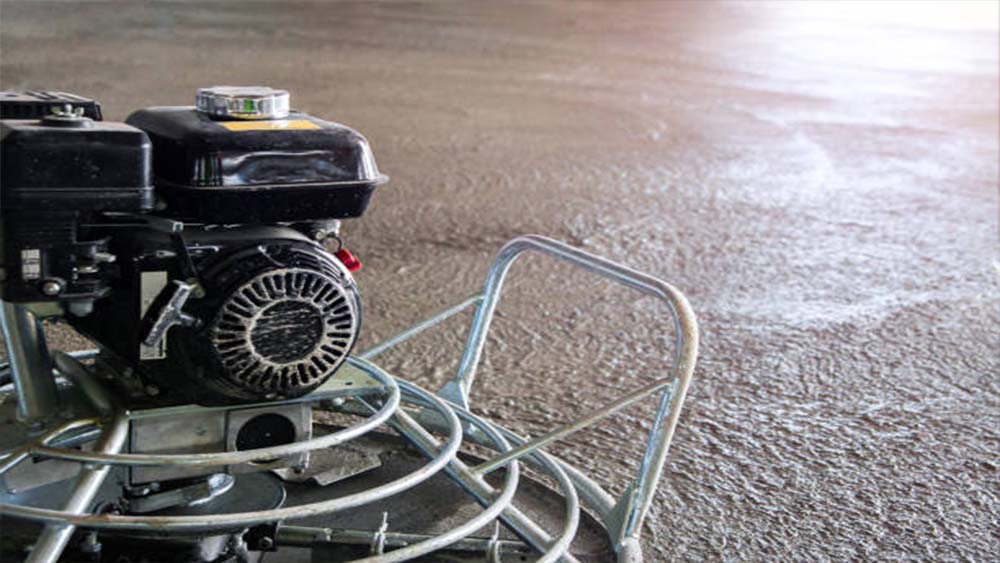
- Power troweling and concrete polishing for smoothness and densification
- Groove cutting for controlled expansion joints
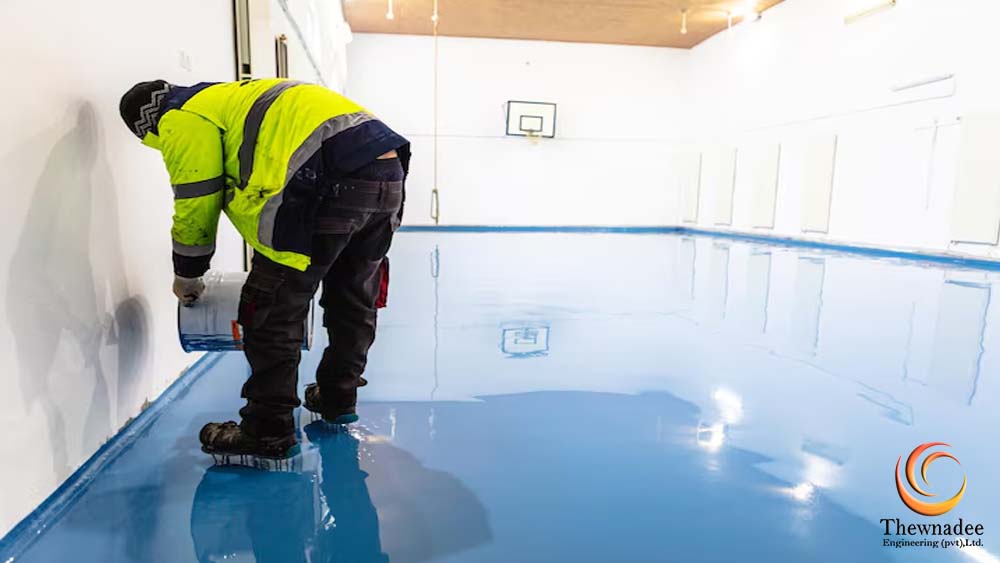
- Protective epoxy coating in chemical exposure zones
The result: long-lasting, low-maintenance floors capable of withstanding heavy equipment, chemical spills, and high foot traffic for decades.
Conclusion
Concrete polishing and cutting are critical processes that directly impact the durability, safety, and aesthetics of industrial and commercial floors. By following best practices and engaging professional engineers, businesses can prevent common flooring issues, extend floor lifespan, and maintain safe, functional work environments.
For industrial projects, partnering with experienced companies like Thewnadee Engineering (Pvt) Ltd ensures that:
- Floors are level, dense, and smooth
- Controlled cutting prevents random cracking
- Surfaces meet industrial safety and operational standards
- Long-term maintenance costs are minimized
Investing in professional polishing and cutting is not just about aesthetics—it is a strategic decision for operational efficiency, safety, and cost-effective facility management.