

Introduction
Industrial floors face constant stress from heavy machinery, foot traffic, chemical spills, and environmental exposure. Maintaining durable, safe, and low-maintenance surfaces is essential to ensure operational efficiency and reduce downtime.
Epoxy coating and industrial epoxy flooring provide a robust solution, combining strength, chemical resistance, and aesthetic appeal. This article explores industrial epoxy systems, their benefits, installation methods, applications, and best practices, highlighting how professional solutions can dramatically improve floor performance.
Understanding Epoxy Flooring
Epoxy flooring consists of a two-component system:
- Resin – The primary binder providing adhesion, strength, and gloss.
- Hardener – Initiates the chemical reaction that solidifies the epoxy and enhances durability.
When applied over concrete, epoxy forms a seamless, high-performance coating that resists mechanical wear, chemical exposure, and moisture, while providing a smooth, visually appealing finish.
Types of Industrial Epoxy
- Solvent-Free Epoxy Coatings
- Highly durable and chemical-resistant
- Ideal for industrial floors exposed to heavy machinery or chemicals
- Self-Leveling Epoxy
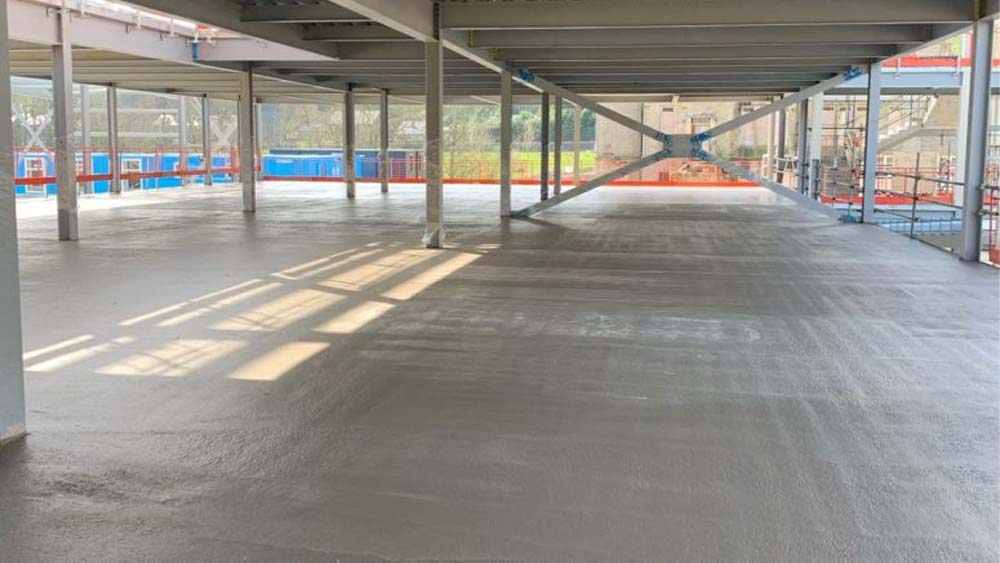
- Creates a smooth, flat, and seamless surface
- Perfect for warehouses, factories, and laboratories
- Epoxy Mortar Systems
- Combines epoxy resin with aggregates for high impact resistance
- Used in areas subject to heavy mechanical stress
- Decorative Epoxy Systems
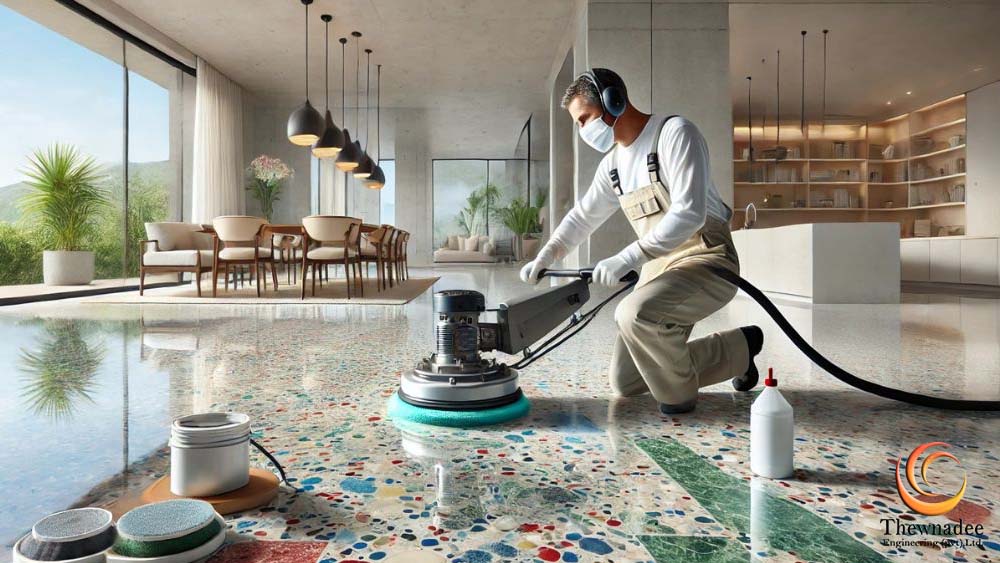
- Available in colors, patterns, or metallic finishes
- Combines aesthetics with industrial-grade durability
Key Benefits of Epoxy Coating
1. Durability and Strength
- Epoxy coatings significantly increase floor resistance to abrasion, impact, and wear
- Extends the life of concrete slabs by reducing surface degradation
2. Chemical Resistance
- Epoxy floors are highly resistant to acids, alkalis, oils, and solvents
- Ideal for chemical plants, warehouses, and industrial processing areas
3. Seamless Surface
- Seamless application prevents dust accumulation and dirt penetration
- Reduces cleaning requirements and enhances hygiene, critical for food processing or pharmaceutical industries
4. Aesthetic Flexibility
- Wide range of colors, finishes, and patterns
- Enhances branding and interior design of commercial and industrial spaces
5. Safety and Anti-Slip Options
- Anti-slip additives improve worker safety
- Reduces risks in wet, oily, or high-traffic environments
6. Cost-Effective Maintenance
- Low-maintenance flooring reduces downtime
- Periodic cleaning and inspection keep the surface performing for decades
Installation Process
Professional installation is essential to ensure maximum performance and longevity.
Step 1: Surface Preparation
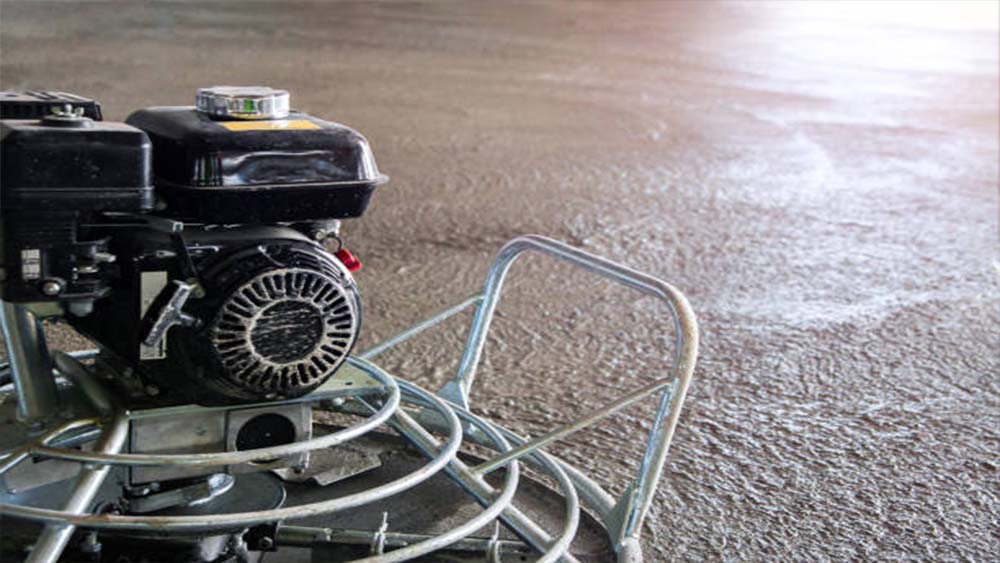
- Clean the concrete floor of dust, grease, or debris
- Repair cracks, spalling, or uneven areas
- Profile the surface mechanically for proper adhesion
Step 2: Primer Application
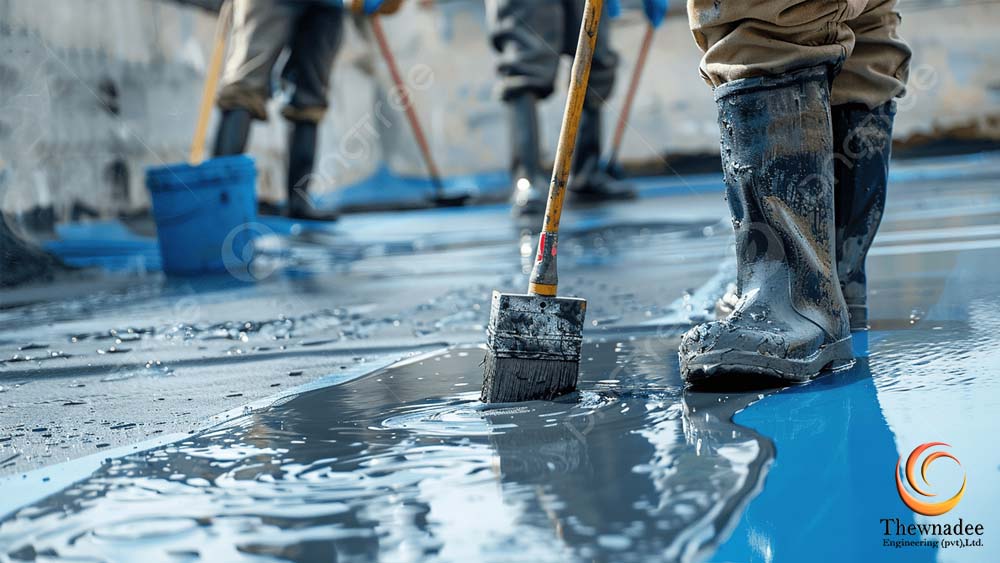
- Apply epoxy primer to seal the substrate and improve bonding
- Reduces moisture absorption and increases coating durability
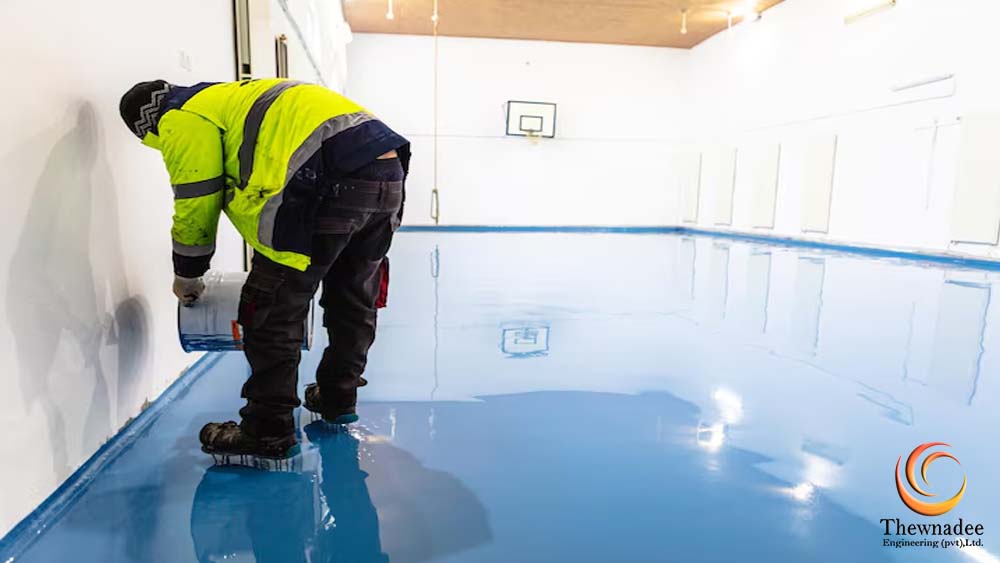
Step 3: Epoxy Application
- Apply the epoxy resin-hardener mixture in thin, even layers
- For self-leveling systems, allow epoxy to spread evenly and fill minor surface irregularities
Step 4: Topcoat Application
- Apply a protective topcoat for gloss, UV stability, and chemical resistance
- Optional anti-slip additives can be included
Step 5: Curing
- Allow adequate curing time, typically 24–72 hours, depending on epoxy type
- Avoid foot or vehicle traffic until fully cured
Best Practices for Industrial Epoxy Floors
- Professional Surface Assessment
- Concrete moisture content, strength, and structural integrity must be evaluated
- Choose the Right Epoxy Type
- Match epoxy to traffic load, chemical exposure, and environmental conditions
- Thickness Control
- Follow manufacturer recommendations for optimal coating thickness
- Temperature and Humidity Control
- Epoxy curing is affected by temperature and humidity
- Ensure controlled installation environment
- Regular Maintenance
- Sweep or mop daily to remove dirt
- Inspect for minor scratches or damage and repair promptly
Industrial Applications
- Manufacturing Plants: Heavy machinery areas benefit from abrasion and chemical resistance.
- Warehouses: Smooth, seamless floors facilitate forklift and pallet movement.
- Chemical Processing Facilities: High chemical resistance ensures floor longevity.
- Food Processing: Seamless surfaces prevent contamination and enable easy cleaning.
- Showrooms and Commercial Spaces: Aesthetic and durable flooring that enhances interior design.
Case Example: Industrial Manufacturing Facility
A Sri Lankan manufacturing facility required durable, chemical-resistant, and easy-to-maintain floors. The professional solution involved:
- Surface preparation and crack repair
- Primer application for adhesion and moisture sealing
- Self-leveling epoxy coat for a smooth, reflective surface
- Protective topcoat with anti-slip additive for safety
The result: high-performance, low-maintenance floors capable of withstanding heavy machinery, chemical exposure, and daily industrial use for decades.
Conclusion
Epoxy coating and industrial epoxy flooring enhance floor performance, durability, and aesthetics in industrial and commercial environments. Their seamless, chemical-resistant, and high-strength characteristics make them ideal for:
- Factories and warehouses
- Chemical and pharmaceutical facilities
- Food processing plants
- Showrooms and commercial spaces
Professional installation by companies like Thewnadee Engineering (Pvt) Ltd ensures:
- Proper surface preparation and adhesion
- Correct epoxy type and thickness selection
- Seamless, durable, and safe flooring solutions
Investing in professional epoxy flooring is not only a measure of durability but a strategic decision for operational efficiency, safety, and long-term cost savings.