

Introduction
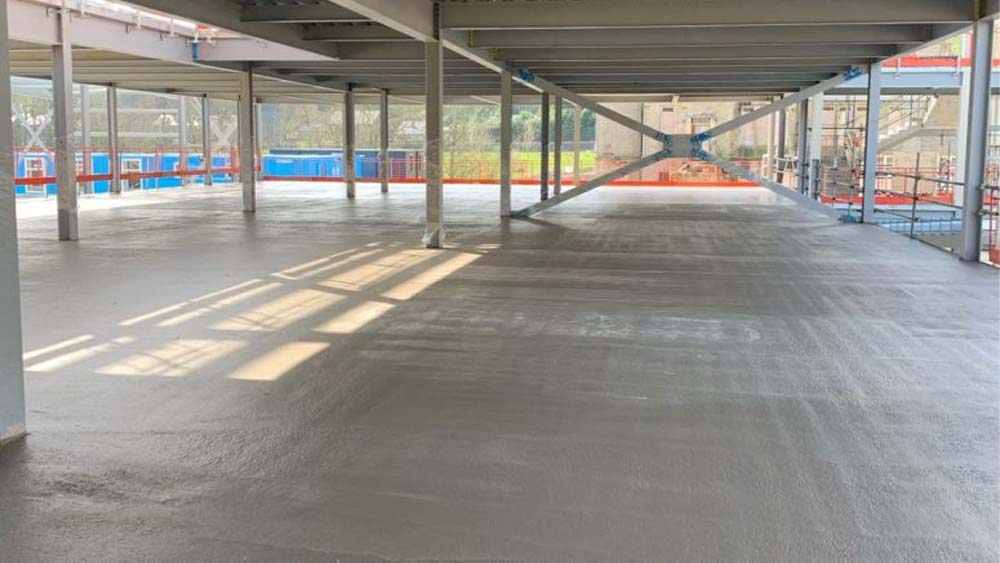
In the construction and industrial flooring industry, achieving a smooth, durable, and level concrete surface is crucial for both safety and longevity. One of the most effective methods to accomplish this is power troweling, a specialized technique used to finish large concrete surfaces efficiently. Unlike manual finishing, power troweling provides consistent, high-quality results, making it the method of choice for industrial, commercial, and high-traffic flooring projects.
This article explores the power troweling process, its technical benefits, types of equipment, and real-world applications, emphasizing why professional intervention is essential for high-performance flooring solutions.
Understanding Power Troweling
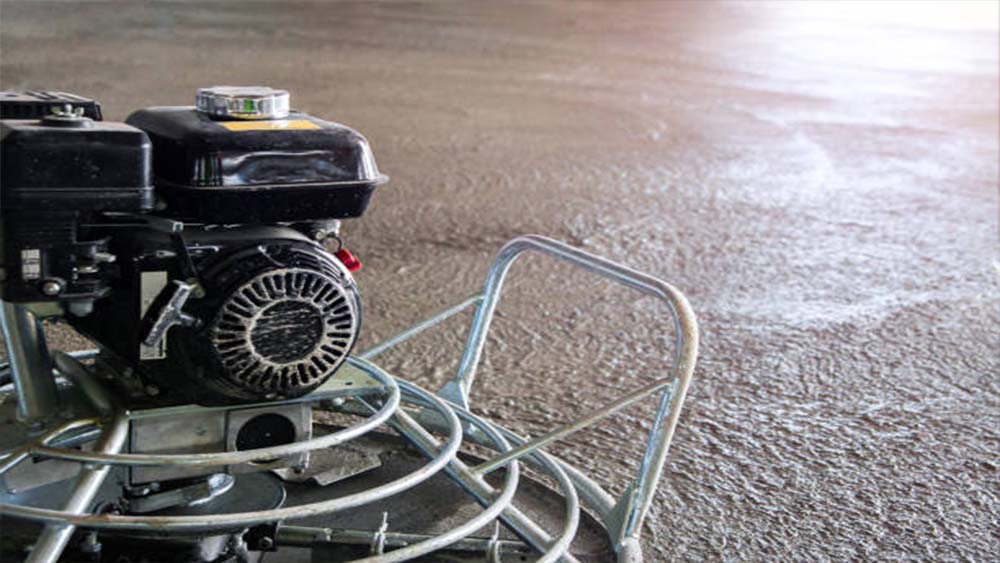
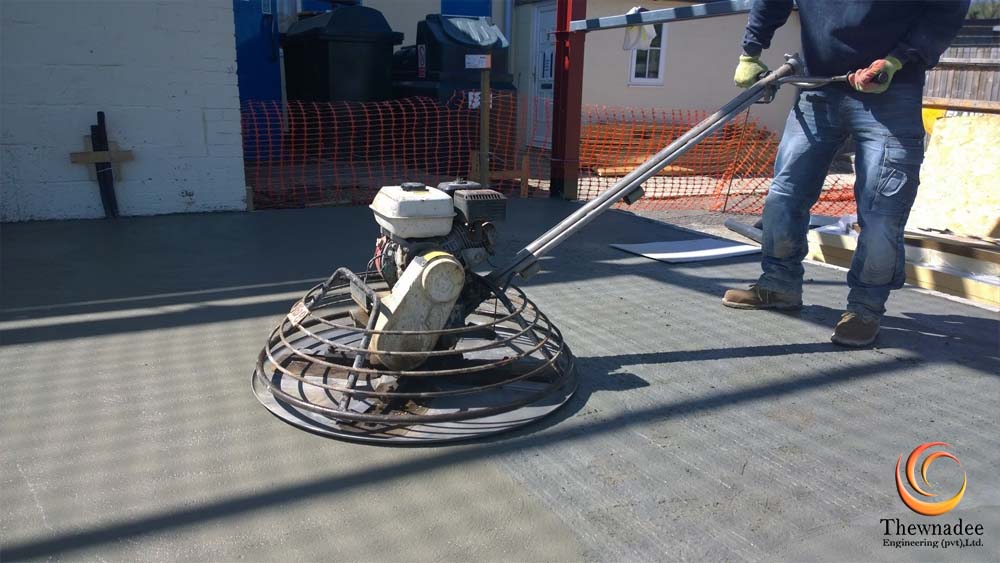
Power troweling is the process of using a motorized trowel machine to smooth, level, and finish freshly poured concrete surfaces. It is typically employed after the concrete has been poured, leveled, and partially set, but before it reaches full curing. The technique is particularly beneficial for large industrial slabs, warehouses, commercial facilities, and other projects where manual finishing would be inefficient and inconsistent.
Key Components of a Power Trowel Machine
- Rotating Blades (Trowels): The core component responsible for smoothing and leveling the surface.
- Motor/Engine: Provides the power required for blade rotation and controlled movement.
- Handle Control: Enables operators to adjust blade pitch, speed, and movement for precision finishing.
- Optional Float Attachments: Used for preliminary finishing and surface texturing.
Professional operators understand the right timing and techniques, ensuring that the concrete is in the optimal state for troweling—neither too wet nor too hardened.
The Power Troweling Process
Power troweling involves a sequence of carefully timed steps to achieve a smooth, durable, and defect-free floor.
1. Surface Preparation
Before troweling, the concrete surface must be:
- Properly leveled and screeded to remove excess material
- Free of debris or contaminants that could affect finish quality
- Adequately set to support the weight of the trowel without creating depressions
Surface preparation is critical because uneven or poorly prepared concrete will result in flaws, cracks, or uneven finishes.
2. Initial Floating
The first stage involves lightly floating the concrete using either a power trowel with float attachments or manual floats. This process:
- Compacts the concrete surface
- Removes minor surface imperfections
- Prepares the slab for the finishing trowel blades
3. Intermediate Troweling
Once the concrete begins to firm up, the operator switches to finishing blades. At this stage:
- The trowel blades are angled to achieve a smooth, level surface
- Multiple passes may be required, depending on the slab size and concrete composition
- Operators adjust blade pitch and rotation speed for precision
4. Final Troweling and Burnishing
The final stage focuses on surface densification and polish. Key steps include:
- Fine adjustments to blade pitch for optimal smoothness
- Light burnishing to compact the surface further
- Inspection for imperfections or inconsistencies
When done correctly, the result is a hard, flat, and visually appealing floor capable of withstanding heavy industrial use.
Types of Power Trowels
1. Walk-Behind Trowels
- Operated manually by walking behind the machine
- Ideal for medium-sized floors and areas with tight access
- Offers precise control over blade movement and surface finish
2. Ride-On Trowels
- Larger machines where the operator sits on the trowel
- Best suited for large industrial slabs and warehouses
- Faster and more efficient for high-volume flooring projects
3. Gas vs. Electric Trowels
- Gas-powered: Higher mobility, suited for outdoor or large-scale projects
- Electric-powered: Quieter, cleaner, and ideal for indoor environments
Professional flooring companies select the trowel type based on project size, location, and surface requirements.
Benefits of Power Troweling
1. Superior Surface Quality
Power troweling produces a uniform, smooth, and polished surface that manual finishing cannot consistently achieve. A smooth floor reduces dust, improves vehicle movement, and enhances overall aesthetics.
2. Increased Floor Durability
The troweling process densifies and compacts the concrete, improving:
- Resistance to abrasion
- Load-bearing capacity
- Longevity under heavy industrial use
3. Faster Completion
Manual finishing large concrete surfaces is labor-intensive and time-consuming. Power troweling significantly reduces labor costs and project timelines, especially on expansive industrial floors.
4. Enhanced Safety
Smooth and level surfaces reduce trip hazards, equipment misalignment, and uneven wear, promoting safer working conditions for employees and machinery.
5. Versatility Across Projects
Power troweling can be applied to:
- Warehouses and industrial facilities
- Factory floors
- Commercial buildings
- Parking areas and service corridors
It accommodates different concrete mixes, finishes, and environmental conditions, making it a versatile solution for various industrial projects.
Common Applications in Industrial Construction
1. Warehouses and Storage Facilities
Smooth and level floors are essential for efficient forklift movement and pallet handling. Power troweling ensures uniform surfaces capable of supporting heavy loads.
2. Manufacturing Plants
Industrial machinery and production lines require floors that are flat, durable, and chemically resistant. Power troweling provides a stable foundation and prepares the surface for epoxy coatings or chemical-resistant treatments.
3. Commercial Buildings
High-traffic commercial areas, such as showrooms or retail spaces, benefit from polished, professional finishes that also enhance durability and reduce maintenance costs.
4. Airports and Logistics Hubs
Large-scale infrastructure projects demand fast, efficient, and precise floor finishing. Ride-on trowels are particularly effective for expansive slabs in logistics facilities.
Why Professional Power Troweling Services Are Essential
While DIY or manual troweling may seem feasible, professional intervention ensures:
- Optimal Timing: Concrete must be troweled at the precise stage of setting to avoid surface defects.
- Equipment Expertise: Operators are trained to handle different trowel types and blade configurations.
- Customized Finishes: Professionals can adjust the surface finish based on load requirements, traffic patterns, and future coatings.
- Long-Term Performance: Correctly troweled floors resist cracking, spalling, and premature wear, saving money and maintenance headaches.
- Safety Compliance: Industry-standard troweling minimizes uneven surfaces and other potential safety hazards.
Maintenance After Power Troweling
Even after professional finishing, floors require proper maintenance to maximize lifespan and performance:
- Regular cleaning to remove dust, chemicals, and debris
- Periodic inspections for micro-cracks or surface wear
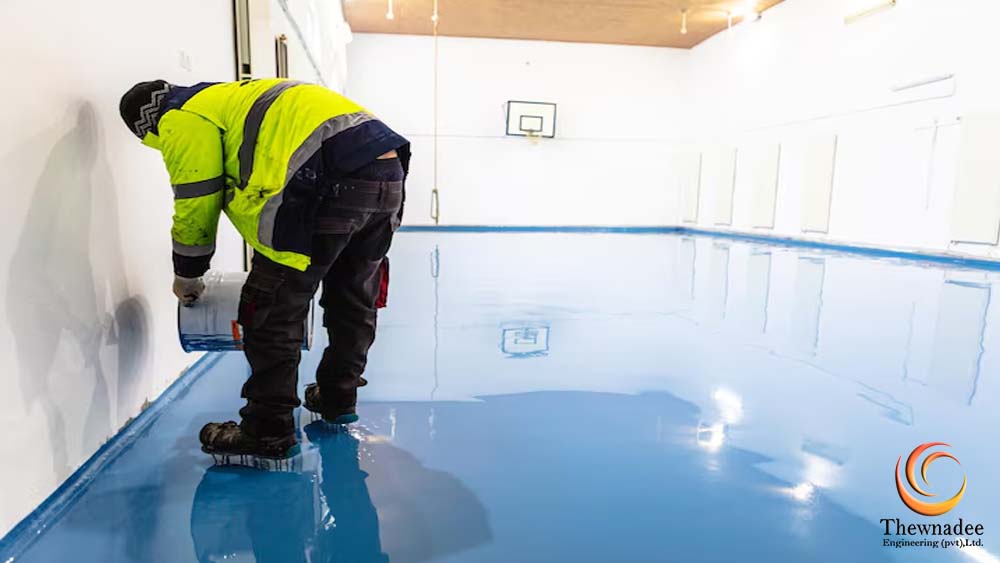
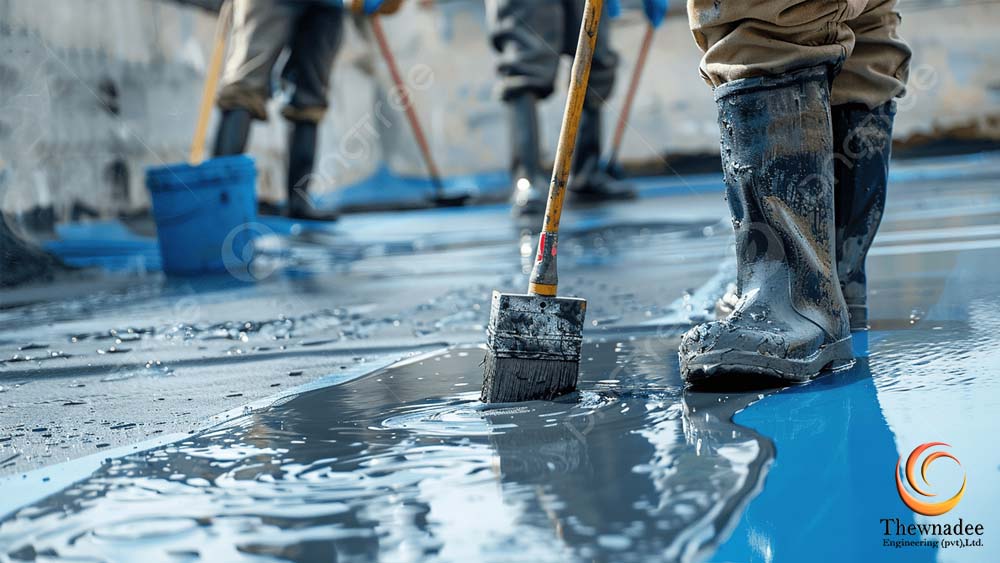
- Protective coatings such as epoxy for chemical or abrasion resistance
- Prompt repairs for localized damage to prevent spread
Maintenance ensures that the benefits of power troweling—durability, safety, and aesthetics—are retained for years.
Conclusion
Power troweling is a cornerstone of industrial flooring, combining speed, precision, and durability to create floors capable of handling heavy loads and high traffic. From warehouses to factories and commercial complexes, professionally troweled floors provide a safe, long-lasting, and visually appealing foundation.
For industrial projects, investing in professional power troweling services is not just about aesthetics—it is about operational efficiency, cost savings, and workplace safety. Partnering with an experienced flooring company, such as Thewnadee Engineering (Pvt) Ltd, ensures that every slab is finished to the highest industry standards, providing a durable surface that supports both business operations and long-term growth.